

Starting Your First Park Run — A Beginner's Guide
Park runs are free, weekly, and run by volunteers. We'll walk you through what to expect, how to register, and why so many people stick with it for years.
Read MoreDiscover park runs, charity walks, open water swimming, and seasonal boot camps across the UK. Get active, meet like-minded people, and push your limits in the fresh air.
Whether you're training for your first endurance event or looking to stay fit with friends, there's something here for you. We've gathered the best outdoor fitness opportunities designed for your age group and fitness level.

Learn what works, how to prepare, and how to find your people in the UK fitness community
Park runs are free, weekly, and run by volunteers. We'll walk you through what to expect, how to register, and why so many people stick with it for years.
Read More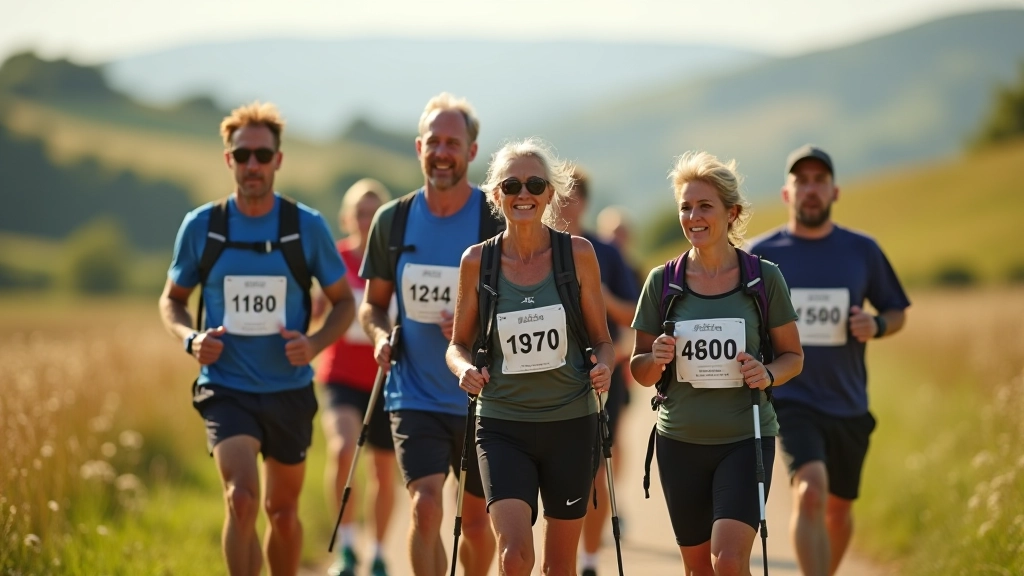
Marathon walks raise millions for good causes across the UK. Here's how to train, what to bring, and how to find events happening this season near you.
Read More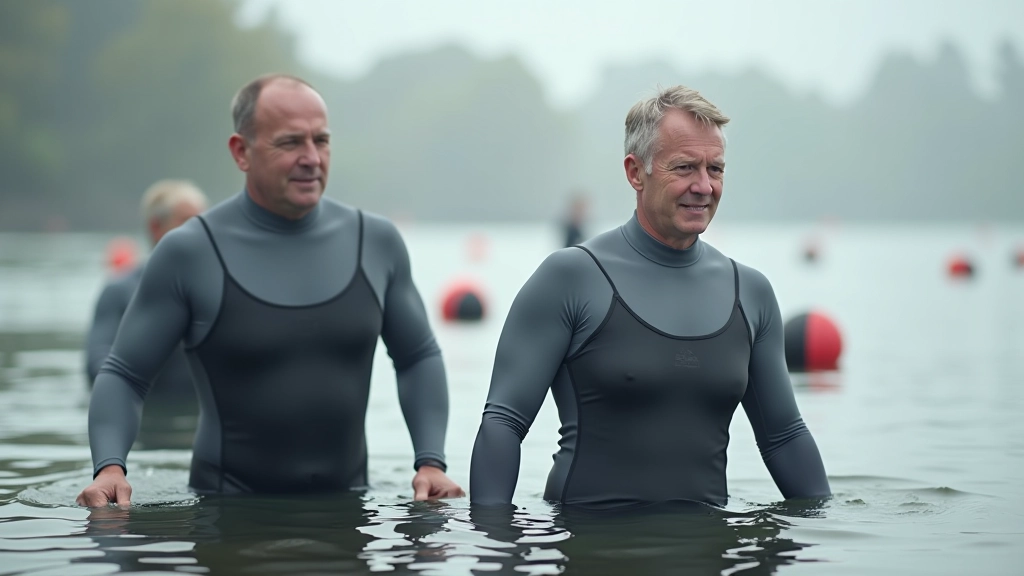
Open water swimming groups meet year-round across UK lakes, rivers, and coastal areas. Learn what safety gear you need, how to prepare your body, and how to find local groups.
Read More
Boot camps run spring through autumn across the UK. They're tougher than park runs but inclusive of all levels. Here's what to expect and how to prepare your body.
Read MoreThese aren't complicated. They're just the practical stuff that makes a real difference.
Talk to your GP before starting endurance training. Most people are fine, but a chat takes 10 minutes and gives you peace of mind. They'll tell you if anything needs attention.
Running or walking shoes designed for your foot type prevent injury. A specialty running shop will watch you walk and recommend what works. It's worth the £100-150.
Your body doesn't signal thirst as well at 45+ as it did at 25. Drink before you feel thirsty, especially on warm days. Electrolyte drinks help too if you're out over an hour.
You'll stick with it longer if you're with others doing the same thing. Park runs, walking groups, and swimming clubs all have strong communities. Show up twice, you'll know people.
Three layers work: moisture-wicking base, insulating middle, windproof outer. You'll warm up after 10 minutes, so start slightly cold. Merino wool base layers are worth it in winter.
Most park runs and walks happen in darkness during winter. A front light, rear light, and reflective gear take 20 minutes to set up. They're not optional, they're essential.
Don't jump into a 10K or marathon walk unprepared. Most people feel genuinely stronger after 4 weeks of consistent training. After 8 weeks you'll notice real changes in your fitness.
Eat something small 1-2 hours before exercise, and something with carbs and protein after. You don't need special sports food — a banana and peanut butter works fine.
Real questions from people thinking about getting started
No. Honestly, people in their 40s, 50s, and 60s regularly complete park runs, charity walks, and even open water swims. You're not competing against 25-year-olds — you're improving yourself. Most people see real fitness gains in 6-8 weeks of consistent training, regardless of when they start.
You can absolutely walk. Park runs are timed but not races — people run, jog, walk, and push buggies every week. Nobody cares what pace you go. There are dedicated walking groups too if you want to skip the timed aspect entirely.
Talk to your GP or a physio first. Walking is gentler on joints than running, so charity walks might suit you better than park runs. Open water swimming is low-impact too. Most fitness instructors can also adapt boot camp exercises to work around old injuries. Don't let past problems stop you — just be honest about them.
Park runs are completely free. Charity walks vary but most cost £15-30 to enter. Open water swimming clubs usually charge £40-60 per month. Boot camps range from £50-100 per month. The biggest cost upfront is proper shoes (£100-150) and a wetsuit if you're doing open water swimming (£150-300). After that, most activities are genuinely affordable.
Most people make friends. Park run regulars go for coffee after, walking groups chat the entire way, swimming clubs socialize after sessions, and boot camp participants stick together. Show up twice and you'll recognize faces. It's genuinely one of the best parts — people your age with similar interests.
Most events happen regardless of weather — rain, wind, cold. That's the point. Get proper waterproof gear and you'll be fine. It's actually more comfortable running in rain once you're dressed right. Some boot camps move indoors during extreme conditions, but park runs and walks almost always go ahead.