
Charity Walks — Training and Finding Events Near You
Marathon walks raise millions for good causes across the UK. Here's how to train, what to bring, and how to find events happening this season near you.
What Makes Charity Walks Special
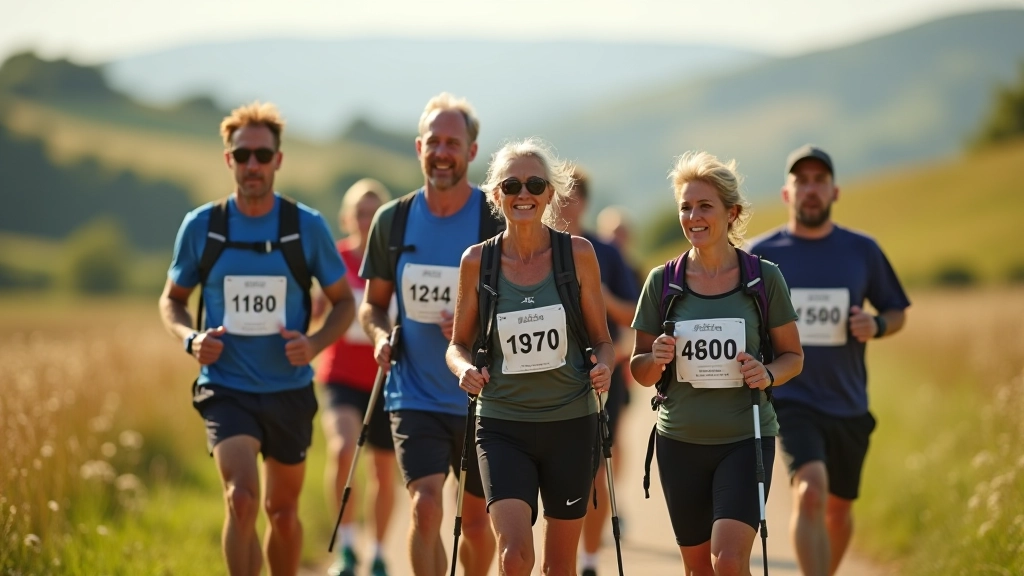
Charity walks aren't just about moving your body — they're about being part of something bigger. Whether it's a 20-mile event raising funds for a cancer research charity or a local 10K supporting your community's food bank, these walks bring people together for real causes.
The brilliant thing? They're genuinely accessible. You don't need to be a runner or an athlete. Most participants are people like you — folks aged 40-60 who want to get out, move properly, and support something that matters. And honestly, the social side keeps you going when your feet get tired around mile 15.

Training Like You Mean It
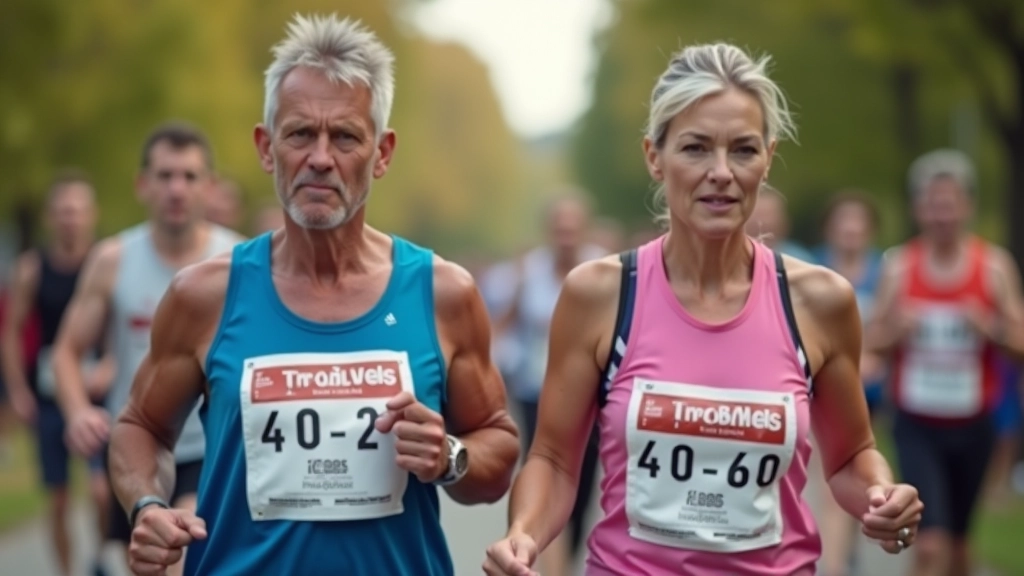
Most charity walks run between 10 and 26 miles, depending on the event. That's not something you can just show up and do without preparation — trust me, your feet will let you know about it for weeks if you try.
Here's the deal: start training 8-10 weeks before your event. Begin with walks you can comfortably do three times a week. If the event's 20 miles, you'll want to get comfortable doing 12-15 miles in training. Don't jump from 5 miles to 15 miles in one go — that's how you end up with blisters the size of plums.
The golden rule? Increase your distance by no more than 10% each week. So if you're doing 10 miles this week, aim for 11 miles next week. Sounds slow, but it works. Your body adapts, your feet toughen up, and you actually enjoy the experience instead of dreading it.
What to Actually Bring
Gear matters more than most people realize. You're not hiking up mountains or running marathons, but 15-20 miles is still a long way to cover with the wrong kit.


Finding Events Near You
Charity walks happen year-round across the UK, but they cluster around spring and autumn. Spring brings events supporting health charities (often in March-April), while autumn's packed with events supporting everything from cancer research to homelessness charities.
Start with these resources. The UK Fundraising website lists hundreds of events by region and cause. Just Giving has an events section that's actually brilliant for filtering by location and distance. Your local running clubs and outdoor fitness groups often organize or know about upcoming walks.
Don't overlook smaller, community-organized walks either. They're often quieter, better organized, and the fundraising goes directly to local causes. Plus, you'll meet people who actually live near you, which is nice for finding walking partners for training.
Registration costs vary wildly — some events are free with just a donation target, others charge £15-30 to enter. Most events happen on weekends, though a few evening walks are becoming popular during summer months.
On the Day — What Actually Happens
Most organized charity walks start early — typically 6:30 or 7 AM for longer distances. You'll arrive, get your bib (that's the event number you wear), and gather in a start area with hundreds of other people who've trained for this.
The Start
There's an actual briefing — they'll tell you the route, where water stations are, what to do if you get injured, and how to contact sweeper buses if you need to drop out. It's well-organized. The start itself isn't a mad sprint — it's a walk. Everyone moves together at first, then naturally spreads out.
The Middle Miles
Miles 5-12 are the sweet spot. You've warmed up, your legs feel good, and you haven't hit the wall yet. Conversations flow. People around you are chatty. The route's usually well-marked with marshals at junctions. You'll see why people do this — it's genuinely enjoyable.
The Tough Bit
Miles 12-18 is where your feet start complaining and your mind gets quieter. This is where training really matters. Stick to your snack schedule, keep hydrating, and remember why you're doing this. The group mentality helps — you're not alone in feeling it.
The Finish
The last 2-3 miles feel long, but you see the finish area and suddenly find energy you didn't know you had. There's always a medal, usually a hot drink and snacks, and an absolute sense of accomplishment. You'll want to sit down immediately, but you won't regret it.
Real Tips from People Who've Done This
Start training earlier than you think you need to.
Most people underestimate how much preparation they need. If you've got 8 weeks, that's tight. 10-12 weeks is better.
Do a long training walk at least once.
Before the event, do a walk that's 80% of the actual distance. It's not just physical preparation — it's mental. You'll know you can do it.
Find a walking partner or group.
Training alone gets boring. Walking with someone else (especially during the event) makes the miles go faster and the experience better.
Wear your event shoes for training.
New shoes on event day is asking for trouble. Your feet need to know those shoes. Break them in properly.
Prevent blisters before they happen.
Use blister prevention tape on known problem areas before you walk, not after you feel pain. Leukotape or similar products work brilliantly.
Recovery matters.
After the event, don't just collapse. Walk around gently for 10 minutes, stretch, and get proper rest. Your legs will ache for 2-3 days — that's normal.
The Real Reward
Charity walks aren't about setting records or proving anything. They're about showing up, putting in the work, and being part of a community raising money for something that matters. You'll meet people. You'll discover how capable your body actually is. And you'll feel genuinely proud when you cross that finish line.
The training builds strength, but the walk itself builds something else — a sense of purpose and connection. That's why thousands of people do this every year, often multiple times. Once you've done one properly, you'll want to do another.
Ready to start? Pick an event, mark your calendar 10-12 weeks earlier, and begin training. Your future self will thank you on that finish line.


Important Information
This article provides general information about charity walks and training for endurance events. The advice and tips shared are based on common practices within the UK outdoor fitness community. Every person's fitness level and physical condition is different, so what works for one person may not work for another.
Before starting any significant training programme, especially if you're recovering from injury or have existing health conditions, it's wise to consult with a healthcare professional or qualified fitness coach. They can assess your individual situation and provide personalized guidance.
Always follow the safety guidelines provided by event organizers. Wear appropriate gear, stay hydrated, and listen to your body during training and on event day. If you experience pain or unusual symptoms, stop and seek medical advice.