Starting Your First Park Run — A Beginner's Guide
Park runs are free, weekly, and run by volunteers. We'll walk you through what to expect, how to register, and why so many people stick with it for years.

What's Park Run, Really?
Park run isn't a race. It's not a club you need to join or pay for. It's a free, timed 5-kilometre run that happens every Saturday morning at parks across the UK. You show up, run at your own pace, and that's it.
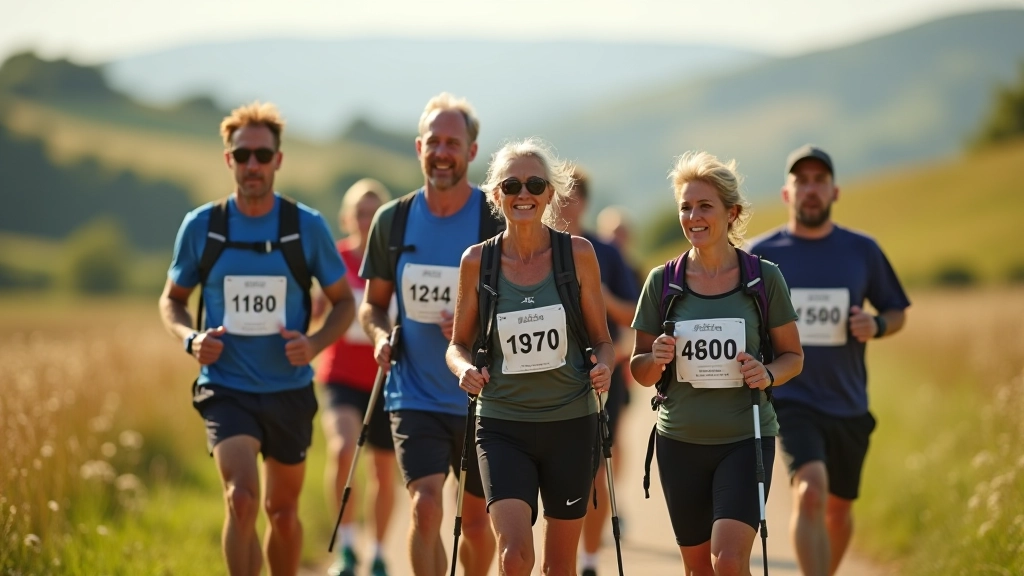
The beauty? It's genuinely open to everyone. Walkers, runners, people returning to fitness after years away — they're all welcome. You'll find people aged 8 to 88, with wildly different fitness levels, all doing their own thing on the same route.
Started in 2004 with 13 people in Bushy Park, London, park run has grown to over 500 locations across the UK. It's become a genuine community phenomenon. People return week after week, not because they're chasing times, but because they enjoy the ritual and the people.


Before Your First Run
Registration takes five minutes. You'll go to parkrun.org.uk, create a free account, and register for your local park run. That's genuinely all there is to it. No forms, no fees, no nonsense.
Once registered, you'll receive a barcode on your email. Print it, laminate it if you're organised, or just bring it on your phone. On Saturday morning, volunteers scan it as you finish — that's how your time gets recorded. Simple.
You don't need fancy kit. A pair of trainers that doesn't hurt your feet and clothes you can move in. That's your entire requirement. Most people wear whatever they've got lying around — old joggers, a t-shirt, whatever. Nobody cares.
Show up 15 minutes early if it's your first time. You'll get a proper welcome from volunteers who'll show you the course, answer questions, and introduce you to other first-timers. They genuinely want you to have a good experience.
The Morning of Your Run
You'll arrive to find people everywhere. Some stretching, some chatting, some already looking nervous. There's a volunteer briefing at 8:55 am where someone explains the route, points out any hazards, and welcomes new runners. Takes about three minutes.
Then you move to the start line. There's no countdown, no starting gun. One of the volunteers simply says "go" and off you go. No pressure, no fanfare. Just start running or walking whenever you're ready.
The 5K loop varies by location. Some are flat and easy, others have proper hills. You'll run the same route every week, so by week three or four, you'll know it inside out. Most routes take 25–35 minutes depending on pace, but there's no time pressure. Walk the whole thing if you want — you're welcome to.
Volunteers stand at key points along the route, cheering you on and making sure nobody gets lost. People overtake you. You overtake people. Everyone's just doing their own thing, and it's genuinely supportive. No egos, no competition unless you make it one.


The Best Part — What Happens After
You cross the finish line, volunteers scan your barcode, and you get a high-five. Your time's recorded instantly. Within minutes, results go online and you can see exactly how you did. It's satisfying without being stressful.
Here's where park run becomes more than exercise. Most locations have a "café meet" — people head to the café or local coffee shop to hang out. Some go every week, others occasionally. It's genuinely social. You'll find yourself chatting to people you wouldn't normally meet, and many become actual friends.
The whole thing takes about 45 minutes from arrival to heading home. You're done before mid-morning. Your muscles will ache a bit the next day if you're returning to fitness, but that's normal and passes quickly. The satisfaction lasts much longer.
Practical Tips for Your First Run
Start Slow
Your first run is about finishing, not speed. Run slower than you think you should. You can always go faster next week. Finishing feeling good beats pushing hard and dreading next Saturday.
Bring Water
5K doesn't sound long, but you'll want water, especially on warm mornings. Many park runs have water stations, but bringing your own means you're covered. A small bottle is enough.
Arrive Early
15 minutes early means you're not rushed, you can find the start, and volunteers can welcome you properly. Arriving flustered makes it harder to enjoy the experience.
Chat to People
The community's the whole point. Talk to the person next to you at the start. Most park runners love welcoming newcomers and sharing their experience.
Have Your Barcode Ready
Print it or have it on your phone. Losing it means volunteers can't record your time, so your run won't count. Keep it accessible, not buried in a bag.
Listen to Your Body
Sharp pain isn't normal. Muscle soreness is. If something hurts in a way that doesn't feel right, walk or stop. There's always next week. Nobody judges.
Why People Stick With It
Most people do their first park run thinking it's just exercise. They come back because it becomes part of their week. The structure helps — Saturday morning is park run time. No negotiation, no excuses.
The tracking is oddly motivating. You see your time improve over weeks and months. That's real progress you can measure. But it's not competitive in a stressful way — you're competing against yourself.
Then there's the community. You'll recognise people. You'll start conversations about the route, about how your week's been, about life. These become genuine friendships. That's why people come back even when the weather's awful.
"Wasn't sure about it honestly. But after the summer I was getting proper addicted to Saturday mornings. My knees feel stronger and I've actually made proper friends. Can't imagine stopping now."
— Martin, 52
There's also the volunteer aspect. After a few weeks, you'll probably want to volunteer. Setting up cones, cheering people on, handing out water — it's part of what makes park run work. Everyone volunteers at some point, and it deepens your connection to the whole thing.
Common Questions
What if I can't run the whole thing?
Walk it. Run-walk it. Do whatever pace you want. Park run explicitly welcomes walkers and run-walkers. Your time gets recorded the same way, and you're part of the whole event.
Do I need to be fit?
No. People return to fitness at park run all the time. You'll find runners aged 8 to 88 with vastly different abilities. The only requirement is showing up.
Is it really free?
Completely free. Run every week for years and you'll never pay a penny. Park run's run by volunteers and funded by donations. Registration costs nothing.
What if the weather's terrible?
Park run runs in rain, snow, and wind. Wear appropriate clothing and you'll be fine. Some of the best park runs happen in bad weather because there's a real sense of achievement afterwards.
How do I find my local park run?
Visit parkrun.org.uk, search your postcode, and you'll see all park runs near you. Most areas have multiple locations within 10–20 minutes. Pick the one that suits you and register.
Can I bring my dog?
Most park runs allow dogs on leads. Check your specific location's rules on parkrun.org.uk. Many regulars bring their dogs, and it's genuinely part of the community vibe.
Your First Saturday Morning Awaits
Starting your first park run is genuinely low-stakes. You're not signing up for anything long-term. You're not making a commitment. You're just showing up to a free run in your local park and seeing how it goes.
Most people expect to do it once and move on. They're surprised to find themselves coming back week after week, forming friendships, improving their fitness almost without noticing, and becoming part of something genuinely special.
So register, print your barcode, show up 15 minutes early, and give it a go. Worst case? You've had some exercise and fresh air on a Saturday morning. Best case? You've found a community and a habit that'll change how you feel about fitness.
Ready to find your local park run?
Visit Park RunImportant Information
This article is informational and educational. Park run is a well-established volunteer-run organisation, but you should always consult with a healthcare professional before starting any new exercise programme, especially if you have existing health conditions or haven't exercised regularly. Always warm up before exercise, listen to your body, and stop if you experience sharp pain. The information here reflects typical park run experiences but individual experiences vary. Check your local park run's specific guidance and rules before your first session.